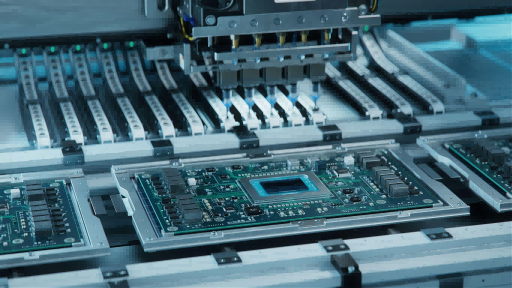
South Korea has become an important destination for global buyers looking for reliable electronic component suppliers. With strong capabilities in semiconductors, advanced electronic manufacturing, and specialized component production, Korean suppliers support a wide range of industries, including consumer electronics, automotive, telecommunications, and industrial applications.
For international buyers, sourcing electronic components from Korea involves more than identifying available products. Factors such as supplier capability, product suitability, supply stability, and technical support all influence purchasing decisions.
This guide provides an overview of notable electronic component suppliers in Korea, explains the key component categories the country is known for, and shares practical considerations to help buyers evaluate potential sourcing partners.
Why Source Electronic Components from Korea?
South Korea has become an important destination for global electronic component sourcing due to its strong technology foundation, advanced manufacturing capabilities, and well-established electronics supply chain. For international buyers, choosing a Korean supplier is not only about finding a source of components, but also about accessing a mature industrial ecosystem built around engineering expertise, manufacturing reliability, and continuous technological development.
As electronic products become more advanced, buyers increasingly require suppliers that can provide more than basic production capacity. Factors such as component performance, manufacturing consistency, technical support, and long-term supply stability have become important considerations. Korea’s electronics industry has developed around these requirements, making it a key sourcing market for technology-focused applications.
Advanced Semiconductor and Electronic Technology
One of Korea’s major advantages is its deep expertise in semiconductor and electronic technologies. Over decades of development, the country has built strong capabilities in semiconductor manufacturing, memory technologies, advanced packaging, and related electronic technologies.
Semiconductors are fundamental components in modern electronic systems, and advancements in semiconductor technology directly influence industries such as consumer electronics, automotive electronics, telecommunications, industrial equipment, and smart devices. Korea’s technology ecosystem supports continuous innovation in areas where high performance, reliability, and miniaturization are critical.
For global buyers, this technology background means Korean suppliers often operate within a highly developed electronics environment. This can provide advantages when sourcing components that require precise specifications, stable electrical performance, and compatibility with advanced electronic applications.
High-Precision Manufacturing and Quality Control
In addition to technological capability, Korea has developed strong manufacturing expertise through years of serving industries with demanding performance requirements.
Electronic components used in modern products often need to meet strict requirements for reliability, consistency, and product lifespan. Korean manufacturers have accumulated experience in precision production processes, quality management systems, and manufacturing control methods to support these requirements.
For overseas buyers, this manufacturing capability can be valuable when sourcing components for applications where product stability is more important than simply achieving the lowest purchase price. Suppliers with strong process management and engineering capabilities can help reduce quality risks and improve long-term supply reliability.
Mature Electronic Supply Chain Infrastructure
Korea’s electronics industry is supported by a broad supply chain covering different stages of electronic product development and manufacturing. In addition to semiconductor-related industries, the country has developed supporting sectors including electronic components, PCB and substrate manufacturing, semiconductor packaging, testing services, and specialized component production.
This supply chain structure allows buyers to access different types of suppliers based on their project requirements. Some applications may require advanced semiconductor-related technologies, while others may focus on specialized electronic components or manufacturing support.
For global buyers, Korea’s advantage is not only the presence of large technology companies, but also the availability of specialized suppliers that contribute to different parts of the electronics ecosystem. This creates more opportunities for buyers seeking reliable partners for technology-driven products and long-term cooperation.
What Types of Electronic Components Are Korean Suppliers Known For?
South Korea is best known for technology-intensive electronic components that support advanced electronics, semiconductor manufacturing, and high-performance applications. While Korean suppliers cover various areas, their strongest capabilities are concentrated in semiconductor-related products, advanced electronic materials, and specialized components requiring precision manufacturing.
| Component Category | Main Products | Typical Applications | Korea’s Strength |
|---|---|---|---|
| Semiconductor Components | Memory ICs, semiconductor devices, advanced semiconductor solutions | Consumer electronics, automotive electronics, industrial equipment | Strong semiconductor technology, manufacturing expertise, and process control |
| Passive Components | MLCC and selected passive components | Smartphones, automotive electronics, industrial products | Advanced materials and precision manufacturing for high-reliability components |
| Semiconductor Packaging & Substrates | Package substrates, high-density electronic substrates | High-performance chips and advanced electronic devices | Strong capability in advanced packaging-related technologies |
| Display & Electronic Modules | Display-related components, electronic modules | Mobile devices, consumer electronics, smart systems | Experience in precision electronics manufacturing and integration |
| Camera Modules & Sensors | Camera modules and sensor-related components | Mobile devices, automotive and smart applications | Integration of optical, electronic, and manufacturing technologies |
| Power Semiconductor Components | Power management and electronic control components | Industrial equipment, automotive systems, energy applications | Supporting capability in power-related electronic solutions |
For global buyers, Korean suppliers are particularly recognized in areas where technology capability, manufacturing precision, and product reliability are important. The most notable sourcing opportunities are typically found in semiconductor-related components, MLCC, advanced substrates, and specialized electronic modules.
Top 10 Electronic Component Suppliers in Korea 2026
The following list is compiled based on publicly available company information, industry presence, and product relevance. It does not represent an official ranking and is provided as a reference guide for buyers researching electronic component suppliers in Korea.
| Rank | Company | Company Type | Main Products | Supply Chain Role | Official Website |
|---|---|---|---|---|---|
| 1 | Samsung Electro-Mechanics (SEMCO) | Electronic Component Manufacturer | MLCC, semiconductor package substrates, camera modules, electronic components | Major supplier of advanced electronic components for consumer electronics, automotive, and industrial applications | www.samsungsem.com |
| 2 | LG Innotek | Electronic Component Manufacturer | Camera modules, optical components, semiconductor substrates, automotive electronic components | Specialized component manufacturer supporting mobile, automotive, and advanced electronics industries | www.lginnotek.com |
| 3 | MagnaChip Semiconductor | Semiconductor Manufacturer | Analog ICs, display driver ICs, power semiconductor solutions | Specialized semiconductor supplier focusing on analog and mixed-signal applications | www.magnachip.com |
| 4 | SIMMTECH | PCB & Semiconductor Substrate Manufacturer | Semiconductor package substrates, high-density interconnect PCBs | Key supplier supporting semiconductor packaging and advanced electronics manufacturing | www.simmtech.com |
| 5 | Amotech | Electronic Component Manufacturer | Ceramic components, sensors, wireless charging components, electronic modules | Specialized component supplier for automotive electronics, mobile devices, and industrial applications | www.amotech.co.kr |
| 6 | DigiKey Korea | Authorized Electronic Component Distributor | Semiconductor components, connectors, sensors, power components, embedded solutions, and automation products | Global authorized distributor providing a broad range of electronic components for engineers, OEMs, and manufacturers | www.digikey.kr |
| 7 | First Electronic Parts Corporation (FEPC) | Electronic Component Distributor | Electronic components, industrial electronic parts, component sourcing services | Local component supplier supporting industrial customers and electronic equipment manufacturers in Korea | www.fepc.co.kr |
| 8 | BIGSHINE KOREA | Authorized Semiconductor & Electronic Component Distributor | Semiconductor components, ICs, electronic components from global manufacturers | Authorized distributor connecting global component manufacturers with Korean and international customers | www.bigshine.co.kr |
| 9 | Seoul International Co. | Independent Electronic Component Distributor | Electronic components, obsolete components, hard-to-find parts, NSN & MIL-STD components | Independent sourcing partner specializing in component supply, inventory solutions, and difficult-to-source parts | www.seoul-international.co.kr |
| 10 | Anyic Korea | Independent Stocking Distributor | Integrated circuits (ICs), semiconductor components, active and passive components | Stocking distributor providing component sourcing services for OEMs, manufacturers, and engineering projects | www.anyic.co.kr |
1. Samsung Electro-Mechanics (SEMCO)
| Category | Information |
|---|---|
| Supplier Overview | Founded in 1973, Samsung Electro-Mechanics is a global electronic component manufacturer and a key supplier within the Samsung Group ecosystem. The company focuses on high-performance component solutions based on material technology, precision manufacturing, and advanced component engineering. Main business positioning includes supplying core components for consumer electronics, automotive electronics, telecommunications, AI computing, and industrial applications. Customers include global electronics manufacturers, automotive companies, and technology enterprises requiring high-reliability components and advanced packaging solutions. |
| Product Range | Provides a wide range of electronic components including Multilayer Ceramic Capacitors (MLCC), chip resistors, inductors, semiconductor package substrates, camera modules, and communication modules. Main solutions cover passive components, semiconductor packaging substrates, high-frequency communication components, and precision electronic modules for mobile devices, automotive systems, servers, and advanced computing applications. |
| Location | Headquarters: Suwon, Gyeonggi Province, South Korea |
| Website link | www.samsungsem.com |
2. LG Innotek
| Category | Information |
|---|---|
| Supplier Overview | Founded in 1970, LG Innotek is a global electronic component manufacturer under LG Group. The company specializes in advanced component solutions combining optical technology, semiconductor packaging technology, and mobility electronics. Business positioning focuses on supplying core components for smartphones, automotive systems, semiconductor industries, displays, and future mobility applications. Main customers include global electronics brands, automotive manufacturers, semiconductor companies, and technology solution providers. |
| Product Range | Provides camera modules, 3D sensing modules, automotive camera solutions, semiconductor package substrates, FC-BGA substrates, RF-SiP solutions, display components, communication modules, sensors, and mobility-related electronic components. Products support mobile devices, autonomous driving systems, electric vehicles, servers, semiconductor packaging, and industrial electronics. |
| Location | Headquarters: Seoul, South Korea |
| Website link | www.lginnotek.com |
3. MagnaChip Semiconductor
| Category | Information |
|---|---|
| Supplier Overview | Founded in 2004, MagnaChip Semiconductor is a specialized semiconductor manufacturer focusing on analog and mixed-signal semiconductor solutions. The company develops and supplies semiconductor products for industrial, automotive, communication, consumer electronics, and computing markets. Business positioning focuses on application-specific semiconductor solutions, power management technologies, and display-related semiconductor products. Customers include electronics manufacturers, automotive suppliers, and system developers requiring customized semiconductor solutions. |
| Product Range | Provides analog and mixed-signal semiconductor products including power semiconductors, MOSFETs, IGBTs, display driver ICs, LED driver ICs, and other semiconductor solutions. Main technologies support power management, motor control, automotive electronics, industrial equipment, displays, and consumer electronics applications. |
| Location | Headquarters: Cheongju, Chungcheongbuk-do, South Korea |
| Website link | www.magnachip.com |
4. SIMMTECH
| Category | Information |
|---|---|
| Supplier Overview | Founded in 1987, SIMMTECH is a semiconductor substrate and PCB manufacturer specializing in advanced packaging technologies. The company focuses on high-density interconnection solutions and semiconductor package materials used in advanced electronic manufacturing. Business positioning centers on supporting semiconductor packaging companies, memory manufacturers, and electronics manufacturers with high-performance substrate technologies and manufacturing capabilities. |
| Product Range | Provides semiconductor package substrates, printed circuit boards (PCBs), high-density interconnect (HDI) boards, and advanced substrate solutions. Products support semiconductor packaging, memory applications, mobile devices, networking equipment, servers, and high-performance computing systems. |
| Location | Headquarters: Cheongju, Chungcheongbuk-do, South Korea |
| Website link | www.simmtech.com |
5. Amotech
| Category | Information |
|---|---|
| Supplier Overview | Founded in 1994, Amotech is a Korean electronic component manufacturer specializing in ceramic materials, sensors, and electronic module solutions. The company develops advanced components based on ceramic technology and electronic material expertise. Business positioning focuses on supplying components for automotive electronics, mobile devices, wireless charging systems, and industrial applications. Customers include electronics manufacturers, automotive suppliers, and technology companies requiring specialized component solutions. |
| Product Range | Provides ceramic components, multilayer ceramic varistors (MLV), antenna modules, wireless charging components, sensors, and electronic modules. Products are applied in automotive electronics, smartphones, communication devices, industrial equipment, and smart electronic systems. |
| Location | Headquarters: Incheon, South Korea |
| Website link | www.amotech.co.kr |
6. DigiKey Korea
| Category | Information |
|---|---|
| Supplier Overview | Established in 1972, DigiKey is a global authorized electronic component distributor headquartered in the United States, with operations serving customers worldwide including South Korea. The company focuses on providing broad component availability, engineering resources, and digital sourcing solutions for electronic design and manufacturing industries. Business positioning centers on authorized distribution, rapid component sourcing, and supporting engineers, OEMs, contract manufacturers, and research organizations with access to global semiconductor and electronic component brands. |
| Product Range | Provides a broad portfolio of electronic components including semiconductors, integrated circuits (ICs), connectors, sensors, power management components, embedded systems, development tools, automation products, and electronic modules. The product range covers prototyping, product development, industrial manufacturing, automotive electronics, IoT, and advanced electronic system applications. |
| Location | Korea Branch: Seoul, South Korea |
| Website link | www.digikey.kr |
7. First Electronic Parts Corporation (FEPC)
| Category | Information |
|---|---|
| Supplier Overview | Established in 1987, First Electronic Parts Corporation (FEPC) is a Korean electronic component distributor specializing in component sourcing and supply services. The company focuses on supporting industrial customers, electronics manufacturers, and engineering projects through component procurement and distribution capabilities. Business positioning includes electronic parts supply, inventory support, and sourcing solutions for companies requiring reliable access to semiconductor and electronic components. |
| Product Range | Provides semiconductor components, integrated circuits (ICs), electronic components, connectors, passive components, and industrial electronic parts. Product solutions support electronic equipment manufacturing, industrial control systems, automation equipment, communication systems, and general electronics applications. |
| Location | Seoul, South Korea |
| Website link | www.fepc.co.kr |
8. BIGSHINE KOREA
| Category | Information |
|---|---|
| Supplier Overview | BIGSHINE KOREA is an electronic component distributor specializing in semiconductor and electronic component supply services. The company focuses on connecting global component manufacturers with customers in Korea and international markets. Business positioning includes authorized distribution, component sourcing, inventory support, and supply chain services for OEMs, electronics manufacturers, and engineering companies. |
| Product Range | Supplies semiconductor components, integrated circuits, power components, memory products, electronic modules, and other active and passive components from global manufacturers. Products support industrial electronics, consumer electronics, communication equipment, automation systems, and electronic manufacturing applications. |
| Location | Seoul, South Korea |
| Website link | www.bigshine.co.kr |
9. Seoul International Co.
| Category | Information |
|---|---|
| Supplier Overview | Seoul International Co. is an independent electronic component distributor specializing in sourcing solutions and inventory services. The company focuses on supplying electronic parts for industrial customers, manufacturers, and engineering projects, particularly when standard distribution channels cannot meet sourcing requirements. Business positioning includes independent component sourcing, obsolete part supply, hard-to-find component procurement, and inventory management support. |
| Product Range | Provides semiconductor components, integrated circuits, electronic parts, obsolete components, hard-to-find parts, and military-standard electronic components. Solutions support industrial equipment maintenance, electronics manufacturing, repair projects, and specialized procurement requirements. |
| Location | Seoul, South Korea |
| Website link | www.seoul-international.co.kr |
10. Anyic Korea
| Category | Information |
|---|---|
| Supplier Overview | Anyic Korea is an independent electronic component stocking distributor providing semiconductor and electronic component sourcing services. The company focuses on maintaining component inventory and supporting OEMs, manufacturers, and engineering teams with flexible procurement solutions. Business positioning includes component distribution, inventory supply, and sourcing assistance for electronic product development and manufacturing projects. |
| Product Range | Provides integrated circuits (ICs), semiconductor components, active components, passive components, and electronic parts from various global suppliers. Products support industrial electronics, consumer electronics, automation equipment, communication systems, and embedded electronic applications. |
| Location | Seoul, South Korea |
| Website link | www.anyic.co.kr |
How to Choose the Right Korean Electronic Component Supplier?
Selecting the right electronic component supplier is not only about finding a company that offers the required products. Global buyers should evaluate whether a supplier can provide suitable specifications, stable quality, reliable supply, and long-term support.
When sourcing electronic components from Korea, buyers can consider the following key factors.
1. Product Compatibility
The first step is to confirm whether the supplier’s products match your technical requirements.
Important factors include:
- Product Specifications
Check whether the supplier provides the required component type, performance level, and technical specifications. - Package Type
Confirm that the component package is compatible with your PCB design, assembly process, and application requirements. - Electrical Parameters
Review key parameters such as voltage rating, current rating, power characteristics, frequency, tolerance, and operating conditions.
A supplier may offer similar products, but technical compatibility is essential to ensure reliable performance in the final application.
2. Manufacturing Capability and Quality Management
For electronic components, manufacturing capability directly affects product consistency and reliability.
Buyers should evaluate:
- Production capacity and manufacturing facilities;
- Quality control processes;
- Testing and inspection procedures;
- Relevant certifications and compliance standards.
For technology-intensive components, suppliers with strong engineering capabilities and mature quality systems can provide better support for demanding applications.
3. Supply Stability and Product Lifecycle
Electronic components are often used in products with long development and production cycles. Supply stability is therefore an important consideration.
Buyers should confirm:
- Product lifecycle information;
- Long-term availability;
- Replacement or alternative solutions;
- Ability to support future production requirements.
A supplier that can provide stable supply planning can help reduce risks caused by component shortages or product discontinuation.
4. Export Experience and International Support
For overseas buyers, supplier experience in international markets can significantly improve procurement efficiency.
Important considerations include:
- Export documentation support;
- Familiarity with international shipping requirements;
- Packaging and logistics experience;
- Communication capability for overseas customers.
Suppliers with export experience are usually better prepared to handle global transactions, compliance requirements, and international delivery processes.
Final Considerations
Choosing a Korean electronic component supplier requires evaluating more than product availability. Buyers should consider technical compatibility, manufacturing capability, supply reliability, and international support together.
A suitable supplier is one that can meet current project requirements while also supporting future product development and long-term cooperation.
By using a structured evaluation process, global buyers can identify Korean suppliers that better match their application needs and supply chain objectives.
Common Mistakes When Sourcing Electronic Components from Korea
South Korea has a well-developed electronic component industry with suppliers covering semiconductors, passive components, substrates, modules, and related technologies. However, even with access to experienced suppliers, buyers can still encounter challenges if the sourcing approach is not properly planned.
Many sourcing problems are not caused by supplier capability, but by misunderstandings during supplier selection, product evaluation, and procurement decisions. The following are some common mistakes global buyers should avoid.
Mistake 1: Treating Korea Only as a Price-Based Sourcing Market
Some buyers approach electronic component sourcing with the same mindset used for general commodity purchasing, focusing mainly on finding the lowest price.
However, many Korean electronic component suppliers serve technology-driven industries where factors such as product performance, reliability, and long-term supply capability are equally important.
A lower price does not always represent better sourcing value. Buyers should consider whether the supplier can support the technical and business requirements of the project.
Mistake 2: Assuming All Korean Suppliers Offer the Same Products
Korea’s electronic component industry includes different types of suppliers with specialized product focuses.
For example:
- Semiconductor manufacturers focus on ICs and semiconductor devices;
- Component manufacturers may specialize in passive components, modules, or substrates;
- Distributors provide access to multiple brands and sourcing channels.
A common mistake is choosing a supplier simply because it is located in Korea, without confirming whether its product focus matches the required component category.
Understanding the supplier’s role within the supply chain helps buyers identify more suitable partners.
Mistake 3: Focusing Only on Immediate Availability
Some buyers make purchasing decisions based only on whether components are currently available.
However, electronic components are often used in products with long development and production cycles. A short-term purchasing solution may create challenges later if the component becomes unavailable or cannot support future production requirements.
Buyers should consider the long-term needs of the project, especially for products expected to remain in production for several years.
Mistake 4: Ignoring the Importance of Technical Communication
Electronic component sourcing often involves more than placing an order.
During the procurement process, buyers may need support with:
- Product selection;
- Technical clarification;
- Application requirements;
- Alternative solutions.
A supplier’s ability to communicate effectively and provide technical support can directly influence project efficiency.
Choosing a supplier only based on product availability may increase risks during development and production stages.
Mistake 5: Confusing Manufacturers and Distributors
Another common mistake is misunderstanding the different roles within the electronic component supply chain.
Manufacturers are usually responsible for:
- Product development;
- Manufacturing capability;
- Production capacity.
Distributors are usually responsible for:
- Component sourcing;
- Inventory availability;
- Supporting multiple brands and product categories.
Neither model is necessarily better. The right choice depends on the buyer’s purchasing requirements, such as production volume, product type, and sourcing objectives.
Final Considerations
Successful electronic component sourcing requires more than finding a supplier with the right products. Buyers should understand supplier positioning, evaluate long-term suitability, and choose partners based on actual project requirements.
By avoiding common sourcing mistakes, global buyers can improve procurement efficiency and build more stable relationships with Korean electronic component suppliers.
FAQs
South Korea is widely recognized for advanced electronic components, especially semiconductor-related products and high-performance electronic materials. Key product areas include memory semiconductors, semiconductor packaging substrates, MLCCs, camera modules, display-related components, power semiconductors, and electronic modules. Korean suppliers are particularly strong in automotive electronics, mobile devices, consumer electronics, and industrial applications that require high reliability, precision manufacturing, and advanced technology.
The Korean electronic component supply chain includes manufacturers, authorized distributors, and independent suppliers. Manufacturers focus on producing semiconductors, passive components, substrates, and electronic modules. Authorized distributors provide access to global brands and technical support, while independent distributors often specialize in sourcing services, inventory management, and hard-to-find components. Buyers can select different supplier types depending on their product requirements, order volume, and procurement objectives.
Before cooperation, buyers should evaluate product compatibility, supplier capability, and supply stability. Important factors include component specifications, package type, electrical parameters, manufacturing or distribution experience, quality management systems, and product lifecycle information. Buyers should also confirm export experience, documentation support, and international shipping capability. A suitable supplier should not only provide competitive products but also offer reliable long-term supply and technical support.
Before cooperation, buyers should evaluate product compatibility, supplier capability, and supply stability. Important factors include component specifications, package type, electrical parameters, manufacturing or distribution experience, quality management systems, and product lifecycle information. Buyers should also confirm export experience, documentation support, and international shipping capability. A suitable supplier should not only provide competitive products but also offer reliable long-term supply and technical support.