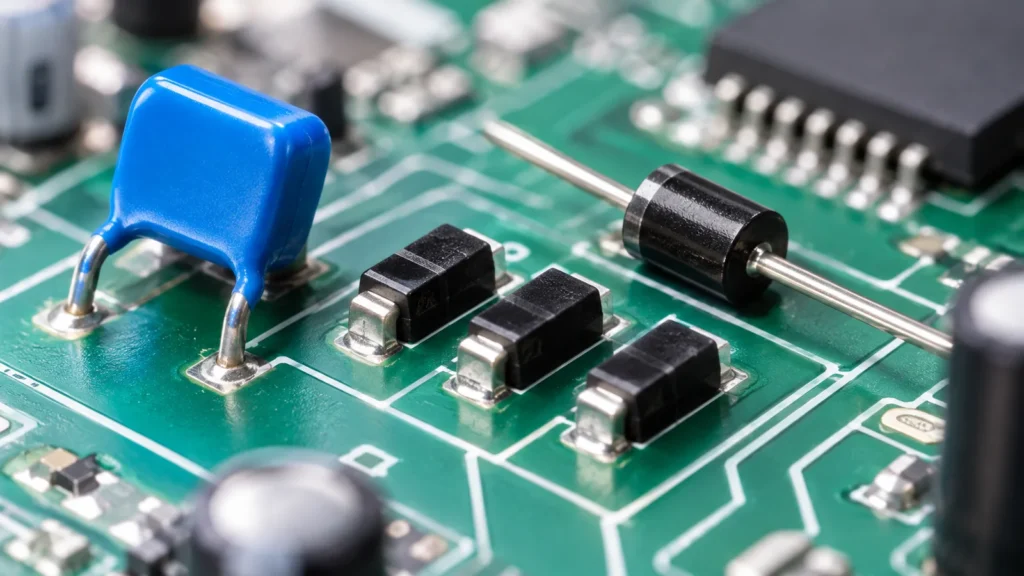
TVS Suppressor Diode: How It Works, Types & Selection Guide
A TVS suppressor diode (Transient Voltage Suppressor diode) protects sensitive electronic circuits from sudden voltage spikes caused by electrostatic discharge
A TVS suppressor diode (Transient Voltage Suppressor diode) protects sensitive electronic circuits from sudden voltage spikes caused by electrostatic discharge
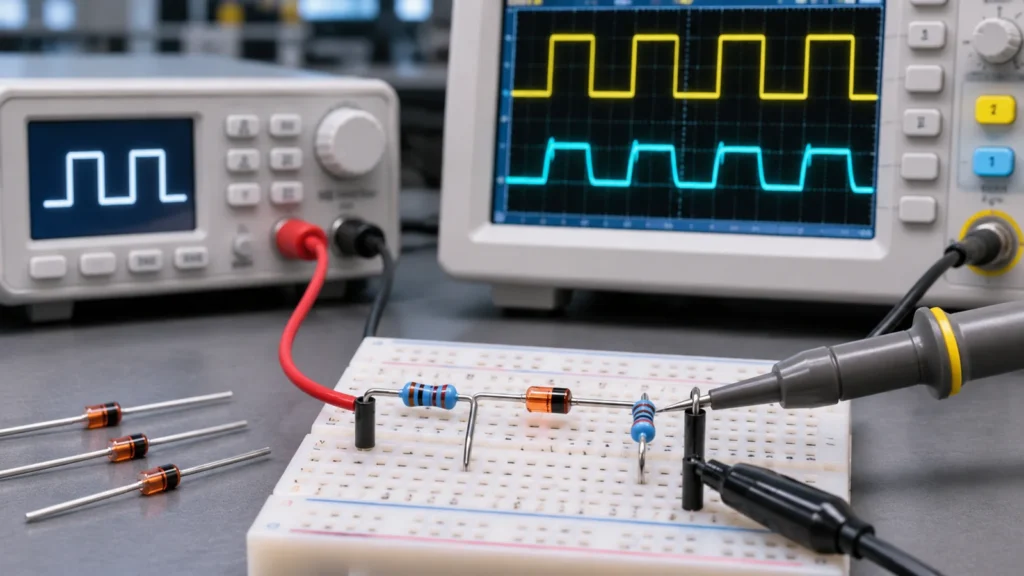
A switching diode is a semiconductor device designed for rapid transitions between conducting and blocking states. It is commonly used
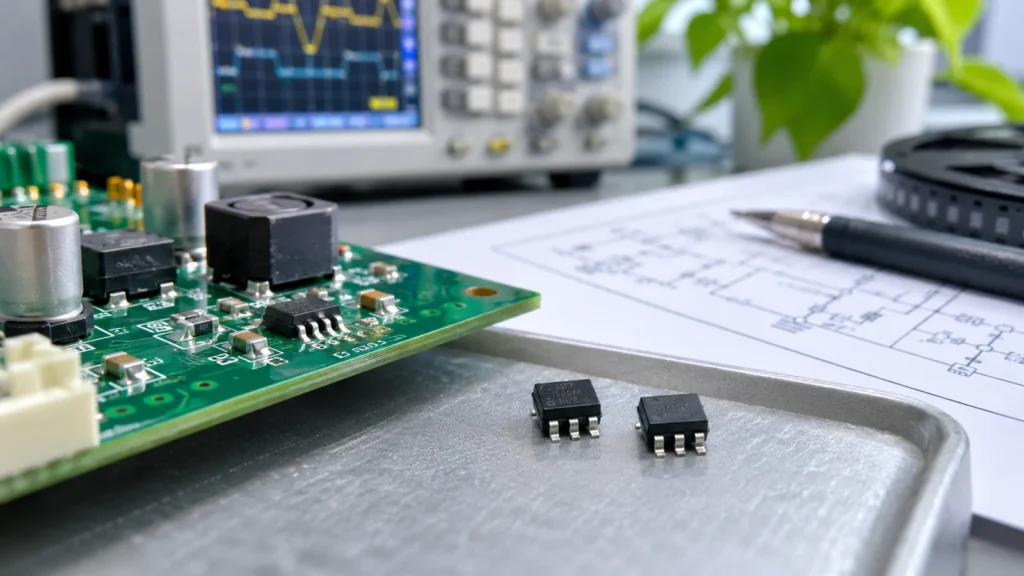
TLV431BIDCKR-TP and TLV431BCDCKR-TP are closely related low-voltage adjustable shunt regulators, but the difference in their grade codes matters when you
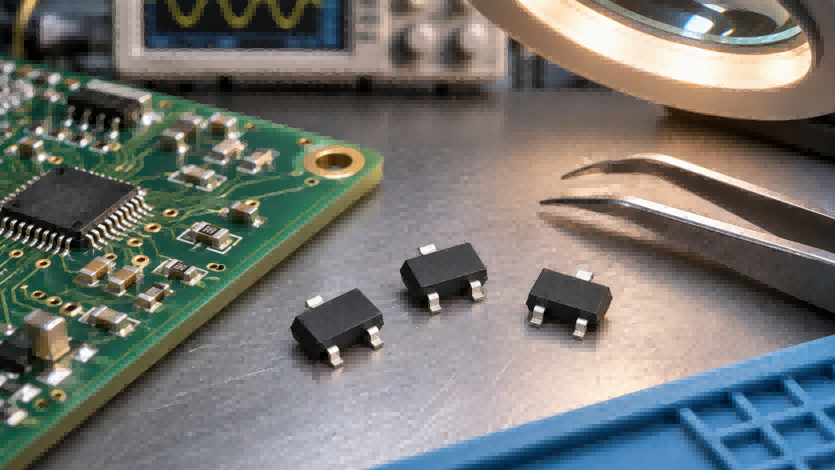
The BC847 transistor is a general-purpose NPN BJT commonly available in A, B, and C gain grades. BC847A, BC847B, and

TLV431AIDBZR-TP and TLV431BIDBZR-TP are closely related adjustable shunt regulators, but they are not identical. Both use a nominal 1.24 V
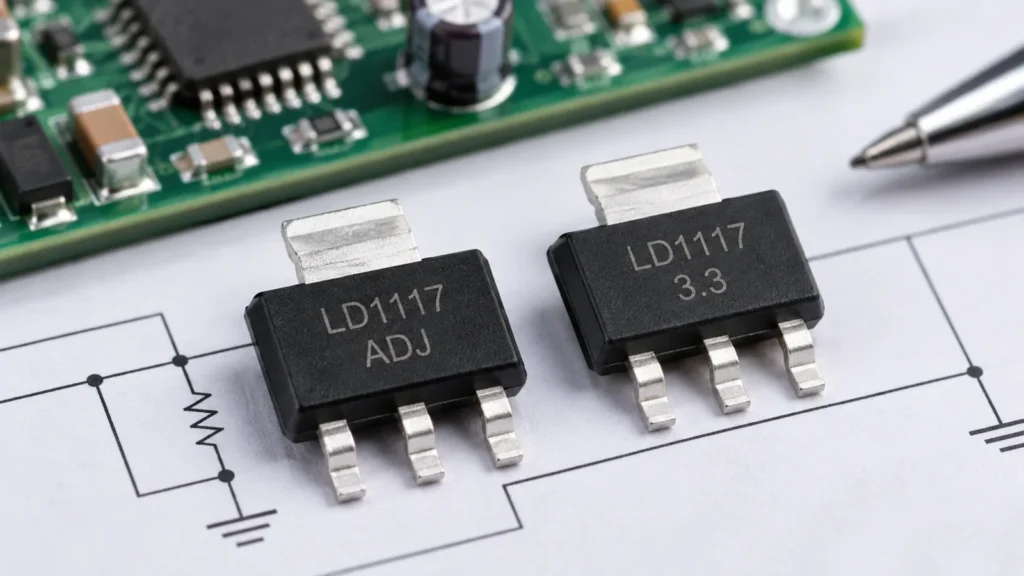
The main difference between LD1117-ADJ and LD1117-3.3 is how the output voltage is established. LD1117-ADJ uses an external resistor divider
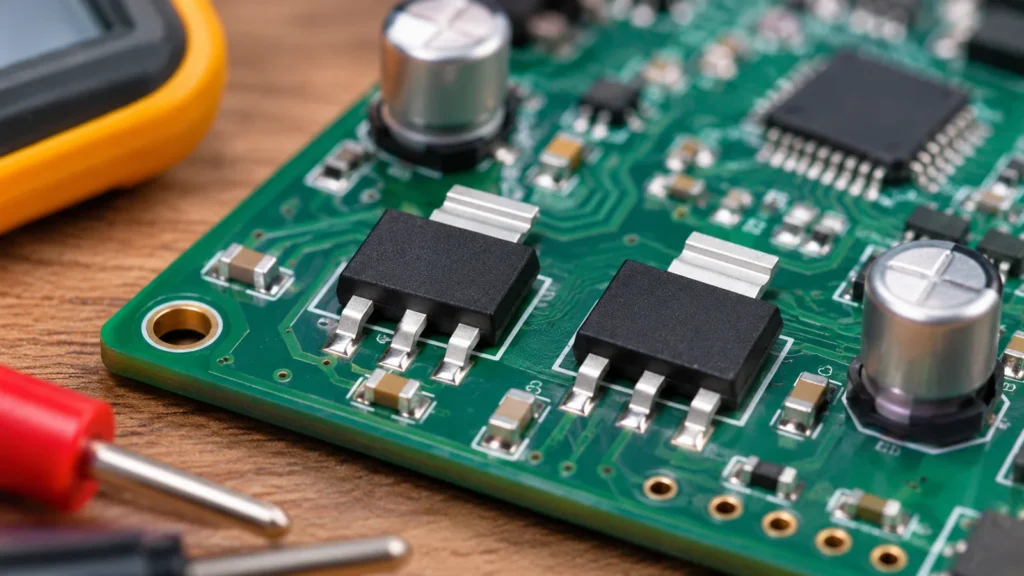
The LD1117-3.3 and LD1117-5.0 are fixed-output low-dropout linear regulators from the same LD1117 family. The most obvious difference is their
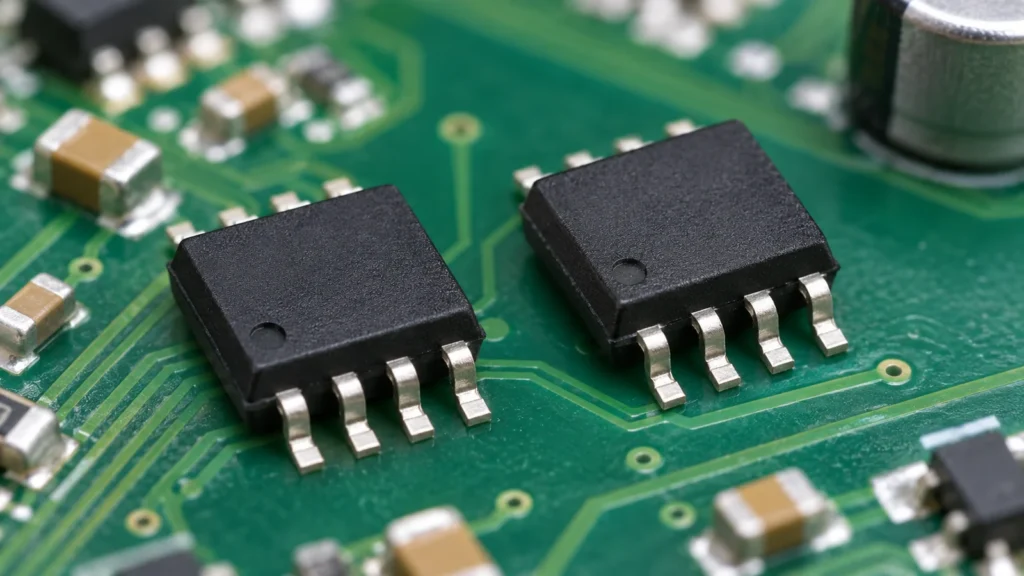
LMV358IDR and LMV358DR2G are both dual, low-voltage operational amplifiers with rail-to-rail outputs, and their headline specifications are close enough that
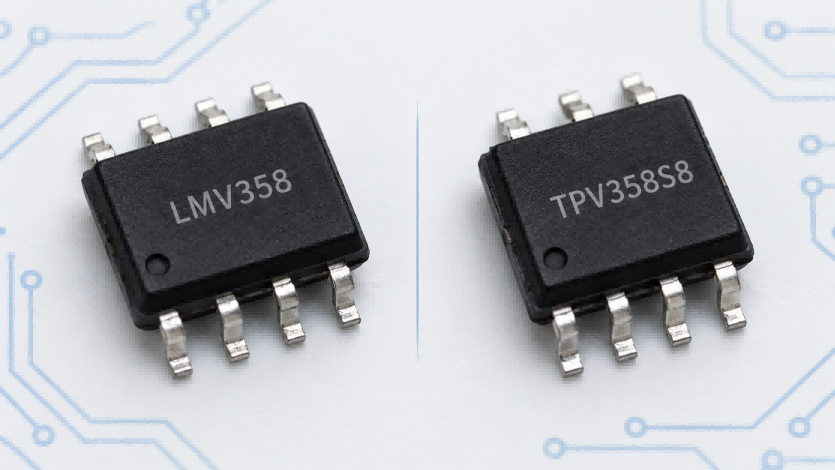
The LMV358 and TPV358S8 are low-voltage dual operational amplifiers commonly considered for analog signal conditioning, sensor interfaces, and battery-powered electronics.
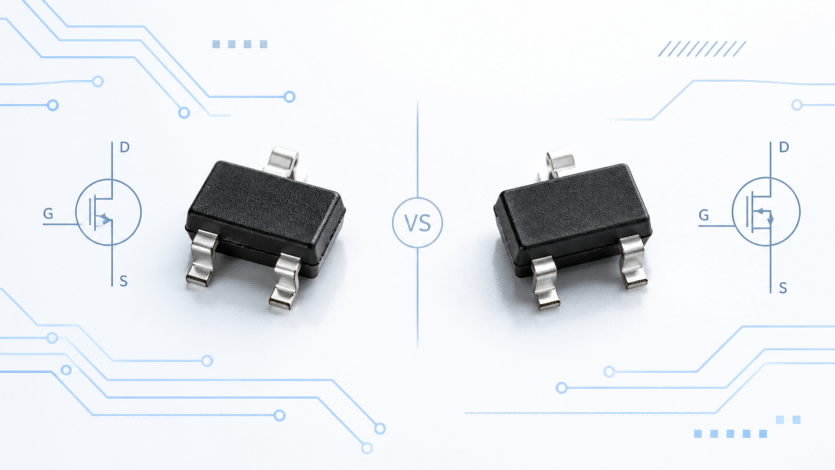
The 2N7002 and 2N7002-6AF are both 60V N-channel enhancement-mode MOSFETs in compact SOT-23 packages. They share the same basic device